Warning: Undefined array key "file" in /home/tomic/public_html/kulturall.org/wp-includes/media.php on line 1788

CREATECH

Creative Early Education supported by Technology for Cultural Heritage

PROJECT ID

Createch logo vertical
SCOPE
STATUS
PROJECT PARTNERS
FUNDING / SUPPORT

About the Project

The CREATECH project was a two-year initiative (2023-2025) funded by the European Commission under the Erasmus+ programme. The project was coordinated by The Association of Cultural Heritage Education in Finland (FIN) and implemented in partnership with INTO SCHOOL (FIN), HARP (IT), KulturAll (SRB), and La Fundación SM (ESP).

In addition, two kindergartens from each participating country took part in the project: CRA Entrevalles in La Rioja and Colegio Santa María in Madrid (Spain); IC Cesira Fiori in Fontecchio, San Demetrio ne’Vestini, Ocre and Fossa (Italy); PU Bajka in Knjaževac and PU Guliver in Belgrade (Serbia); as well as  Kirstin päiväkoti in Espoo and Metsäkallion päiväkoti in Vaasa (Finland). The project brought together cultural heritage experts, educators and kindergartens to explore how creative digital pedagogy and transmedia storytelling can be integrated into heritage education for young children.

The Challenge

Cultural heritage is often quietly present in kindergarten life: in traditions, local stories, everyday routines, and the environments children inhabit. Yet educators don’t always recognise this as heritage education, nor see themselves as heritage educators. At the same time, while digital tools offer rich opportunities for creative expression and participation, many early childhood professionals lack the confidence or skills to use them in meaningful, age-appropriate ways.

CREATECH was created to bridge this gap – equipping educators with concrete methods, practical tools, and the confidence to bring cultural heritage and creative digital technologies into everyday early childhood practice.

Our Approach: The Transmedia Heritage Education Model

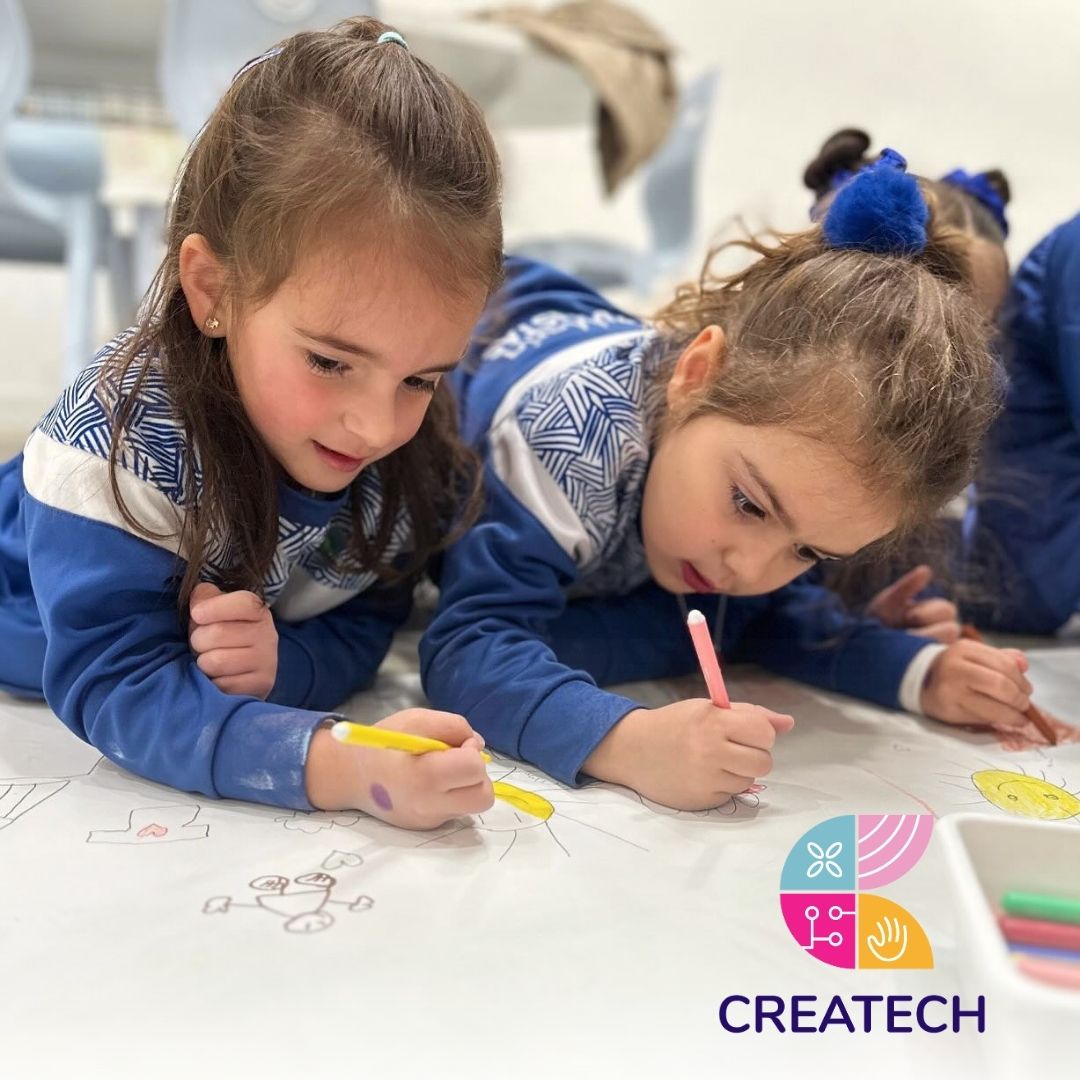
The pedagogical foundation of CREATECH was the Transmedia Heritage Education (THE) Model, originally developed in earlier European projects by the project partners and adapted during CREATECH specifically for ECEC contexts. The model integrates three interconnected phases – sensory exploration, digital creations, and transmedia heritage storytelling – allowing children to engage with cultural heritage through multiple modes of expression and media, while educators act as facilitators and co-explorers rather than instructors.

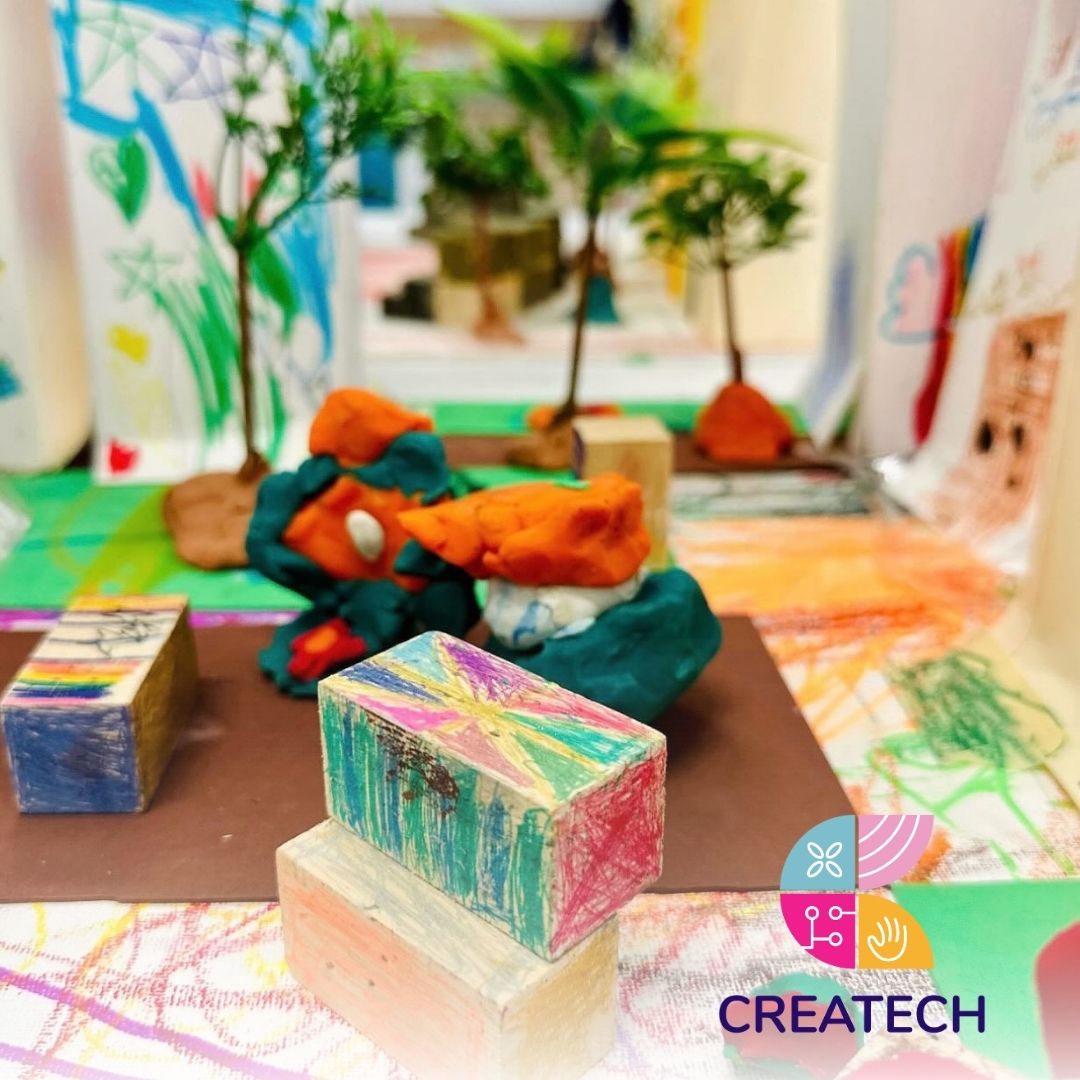
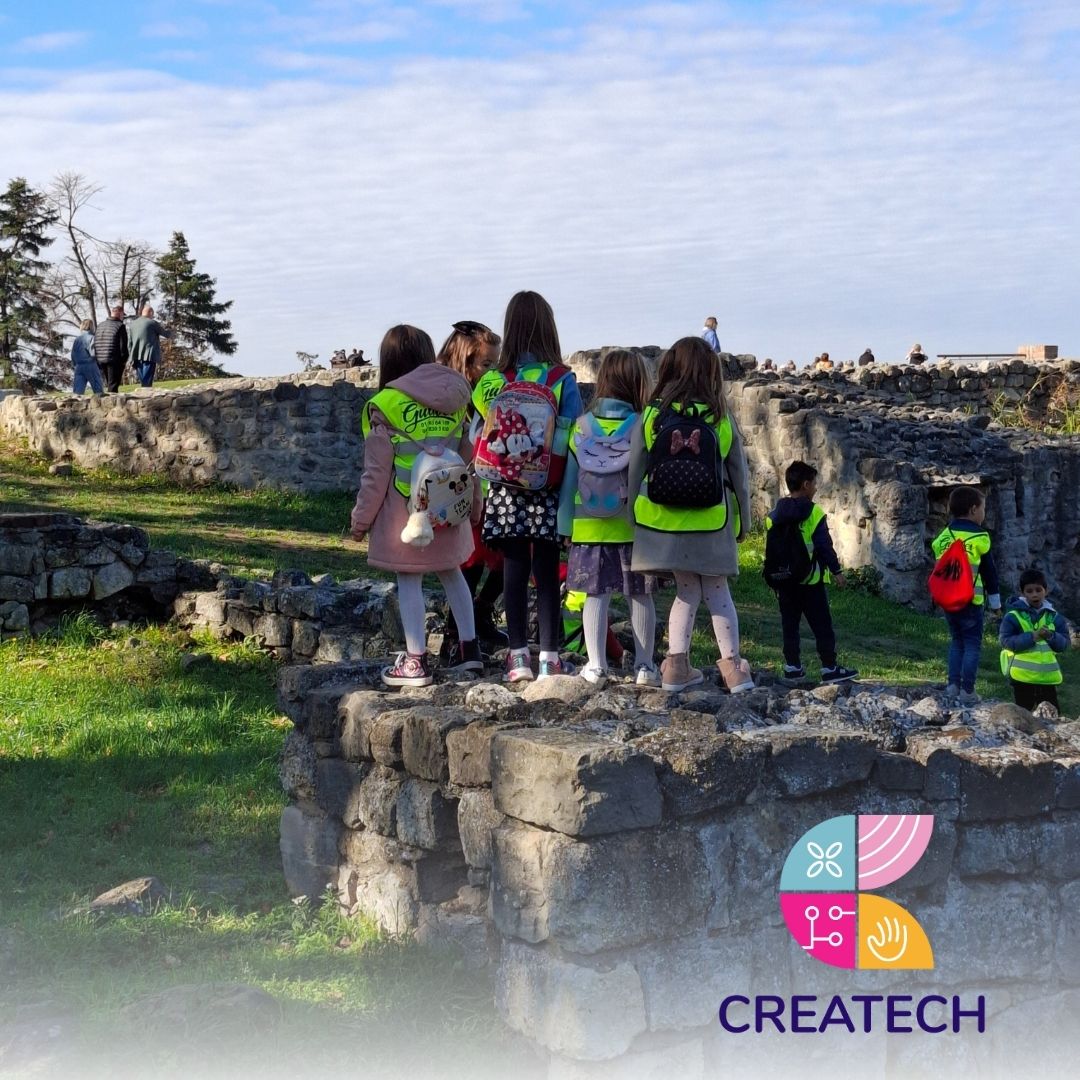
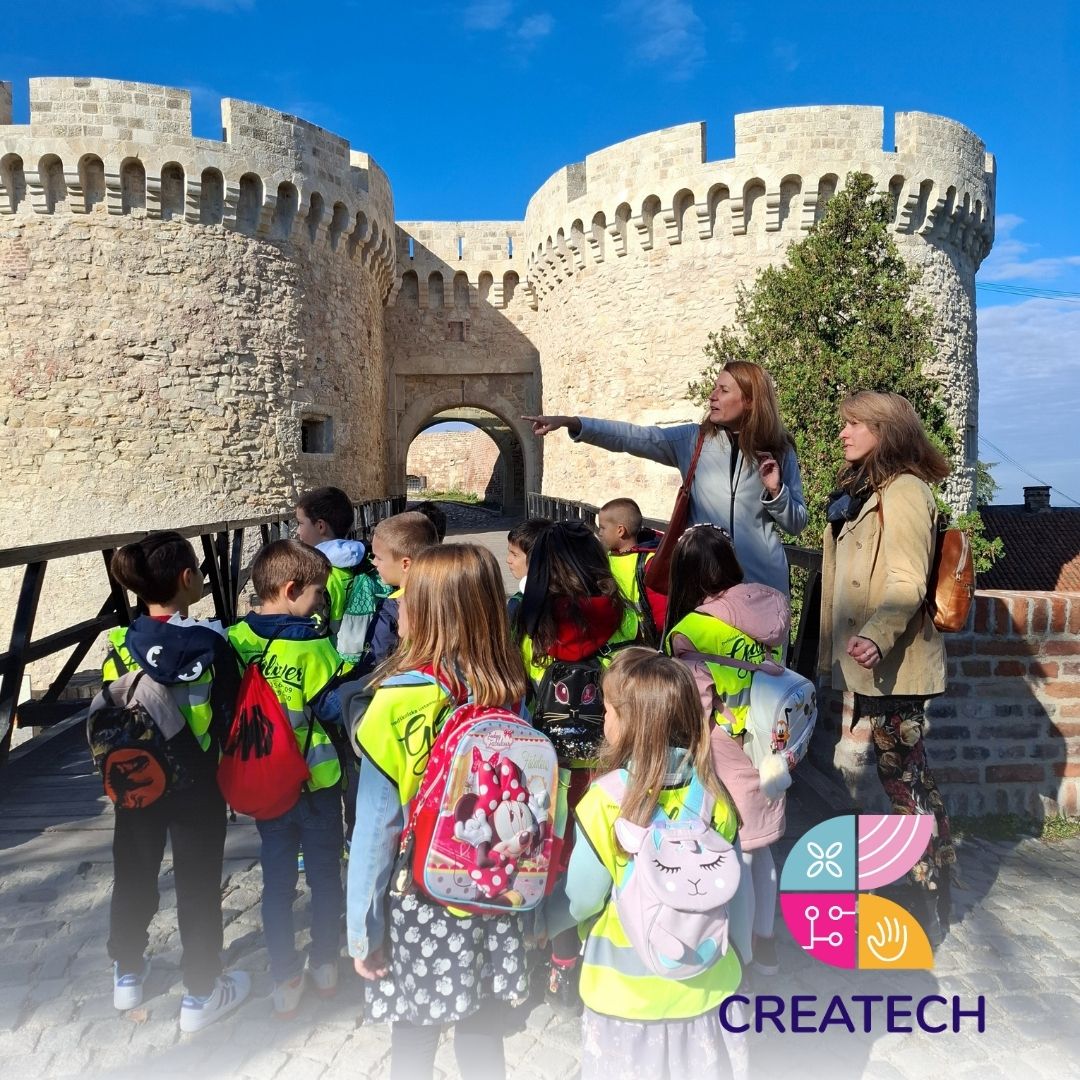
THE Model was tested in ECEC context in 2024-2025, when the participating kindergartens carried out creative projects where children explored cultural heritage and their local cultural surroundings through their senses and imagined the places as sources of stories connecting the past, present, and future. Cultural heritage was approached as something children can experience, interpret, and actively create, beginning from the familiar and local – places, objects, stories, and everyday environments meaningful to children – and gradually expanding to include shared community heritage and intergenerational perspectives.

The project was grounded in an understanding of cultural heritage as a living and evolving process in which children actively participate. Supported by their educators, children created their own immersive 360° digital environments to share their heritage stories through multiple forms of creative expression, including music, video, photography, visual arts, and drama. These stories were brought together in a shared online exhibition, showcasing a vibrant, child-led view of cultural heritage and demonstrating how even young learners can be powerful storytellers, cultural interpreters and creative producers. Educators acted as facilitators and co-explorers, gradually stepping back to allow children to take ownership of the creative process.

Project activities were flexible in duration and structure. Some kindergartens integrated CREATECH throughout the entire school year, embedding heritage exploration into daily routines and thematic work, while others implemented shorter, more intensive projects lasting two to three months. In all cases, activities were organised in small groups to support inclusion, peer interaction, and children’s diverse interests and abilities. Intergenerational storytelling and collaboration with families and local communities played a central role, strengthening connections between children, educators, and their cultural environments.

Project Outputs

360° Exhibition

Step into immersive 360° environments created by children across Europe, showcasing their unique perspectives on local heritage through vibrant, child-led multi-sensory media stories.

CREATECH Guidebook

Equip your classroom with our proven Transmedia Heritage Education model. Access concrete pedagogical methods and creative activities designed to bridge heritage and digital play for young learners.

Research Report

Explore the comprehensive results of our two-year journey, examining how digital tools and heritage education foster child engagement and transform pedagogical practices in early childhood environments.

Related News from Our Website

Project Partners

We would like to hear from you

Have any questions? We are always open to talk about your ideas, new projects, creative opportunities and how we can collaborate.